
Discover reliable Video Conferencing Solutions India businesses can use for seamless meetings, collaboration, remote work, and smarter communication.
Business communication has changed dramatically in recent years. Teams now work across offices, cities, and even countries, while clients and partners may be hundreds of kilometres away. In this environment, face-to-face meetings are not always practical. That is where reliable Video Conferencing Solutions India businesses can depend on become important.
A good video conferencing setup does more than connect two screens. It creates a professional meeting experience where people can communicate clearly, share ideas, present information, and collaborate without constantly worrying about technical problems.
For organizations across India, choosing the right technology can make everyday communication considerably easier.
Why Video Conferencing Has Become Essential
Think about a typical business meeting involving teams in Mumbai, Pune, Delhi, and Bangalore. Arranging physical meetings for everyone could take days and involve significant travel costs. With an effective video conferencing system, the same discussion can happen virtually within minutes.
Modern conferencing solutions help organizations conduct:
Internal team meetings
Client presentations
Training and workshops
Management discussions
Remote collaboration
Interviews and recruitment sessions
Web-based presentations
Multi-location business meetings
The real advantage is convenience. Employees can spend less time travelling and more time focusing on meaningful work.
What Makes a Video Conferencing Solution Effective?
Not every video conferencing system delivers the same experience. A professional solution should combine dependable hardware, software, connectivity, and audio-visual performance.
Clear Audio: Poor sound can quickly turn a productive meeting into a frustrating one. High-quality microphones and speakers help participants hear conversations naturally.
Sharp Video: A clear camera feed makes virtual communication feel more personal and professional. This is especially useful for presentations, interviews, and customer meetings.
Easy Content Sharing: Participants should be able to share presentations, documents, screens, and other content without complicated steps.
Multi-Location Connectivity: Businesses with multiple offices need solutions that can connect different locations smoothly and support collaborative discussions.
Reliable Performance: Meetings should not regularly suffer from technical interruptions. A properly planned conferencing environment can improve stability and user experience.
Video Conferencing for Different Business Environments
One interesting thing about video conferencing is how flexible it can be. A small office may only need a simple meeting-room setup, while a large enterprise could require conferencing systems across multiple branches.
Educational institutions can use conferencing technology for online classes and training. Healthcare organizations can support remote consultations and communication between locations. Corporate teams can use it for board meetings, project reviews, interviews, and customer interactions.
This flexibility makes video conferencing useful across industries rather than being limited to one type of organization.
Choosing Video Conferencing Solutions in India
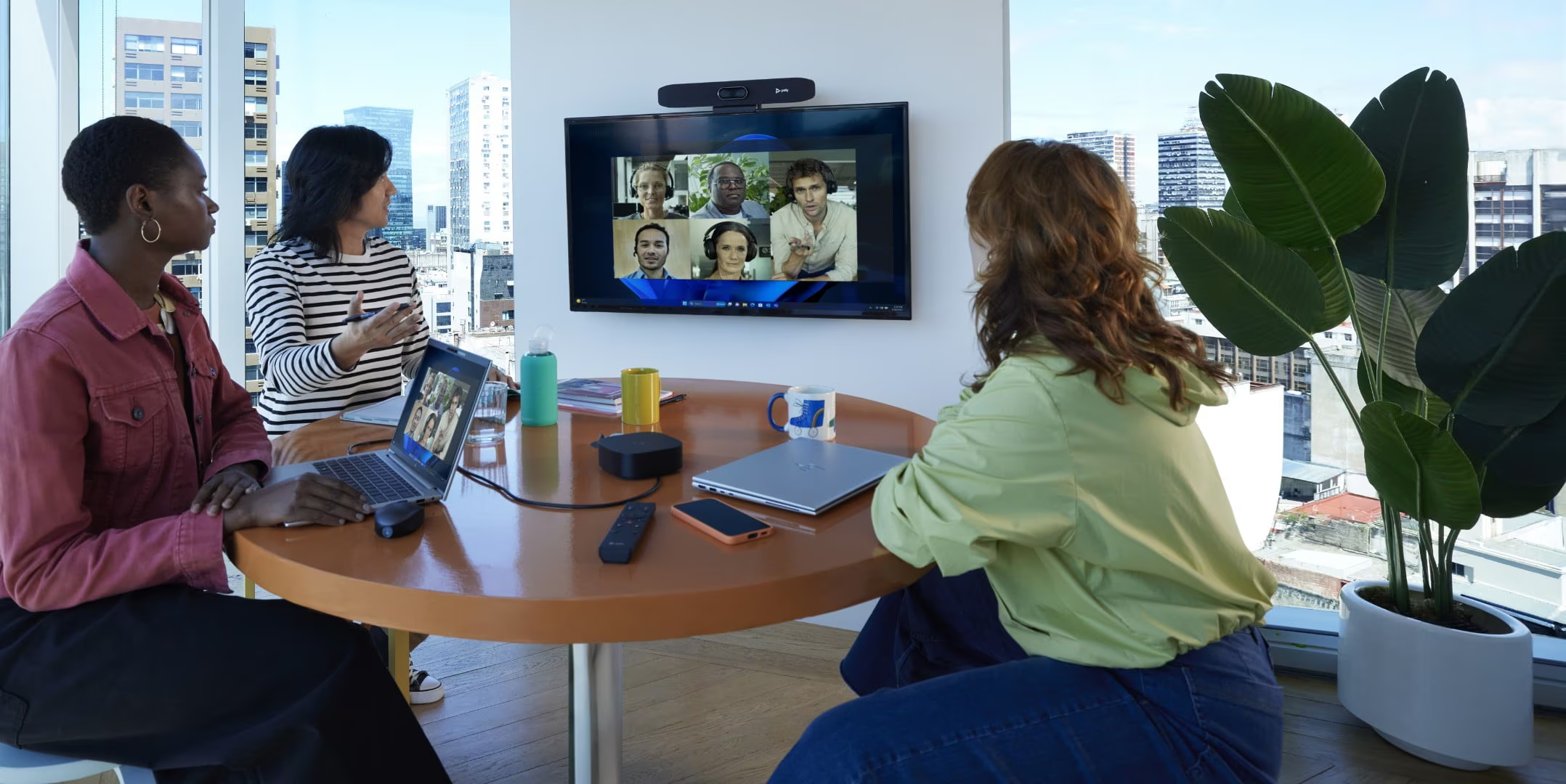
When evaluating conferencing technology, businesses should look beyond the equipment itself. The right solution should match the organization's meeting requirements, room size, number of users, existing infrastructure, and future expansion plans.
It is also worth considering installation, integration, maintenance, and technical support. A solution that looks impressive initially may not be the right choice if it becomes difficult to manage later.
For organizations operating across multiple Indian cities, having an experienced technology partner can simplify the entire process. From understanding requirements to implementing the solution, professional guidance can help businesses avoid unnecessary technology investments.
Why Ten Delta Can Be a Valuable Technology Partner
Ten Delta provides technology solutions for organizations across major Indian cities including Mumbai, Pune, Delhi, Bangalore, Hyderabad, Chennai, Ahmedabad, Kolkata, Nagpur, and other locations throughout India.
Its approach focuses on helping businesses create practical communication environments that support collaboration and productivity. Whether an organization is upgrading an existing meeting room or planning conferencing infrastructure for multiple locations, professional consultation can make the process smoother.
The goal is simple: help businesses communicate better without making technology unnecessarily complicated.
The Future of Business Communication Is Connected
Remote and hybrid working have changed what businesses expect from communication technology. Video conferencing is no longer simply an alternative to physical meetings. For many organizations, it has become a regular part of daily operations.
As businesses continue expanding across locations, dependable conferencing technology can help teams stay connected, improve collaboration, and respond faster.
If your organization is looking to improve its meeting and collaboration infrastructure, explore the possibilities with Ten Delta. Visit Ten Delta to learn more about its Video Conferencing Solutions India businesses can use to create smarter, more connected workplaces.
Frequently Asked Questions
1. What are Video Conferencing Solutions?
Video conferencing solutions combine cameras, microphones, displays, speakers, software, and connectivity technologies to enable real-time virtual meetings between people in different locations.
2. Why should businesses invest in professional video conferencing?
Professional video conferencing can improve communication, reduce travel requirements, support remote teams, and make collaboration between offices, customers, and partners more convenient.
3. How do I choose the right video conferencing solution for my business?
Consider your meeting-room size, number of participants, communication requirements, existing IT infrastructure, content-sharing needs, scalability, installation requirements, and ongoing technical support before choosing a solution.

Write a comment ...